

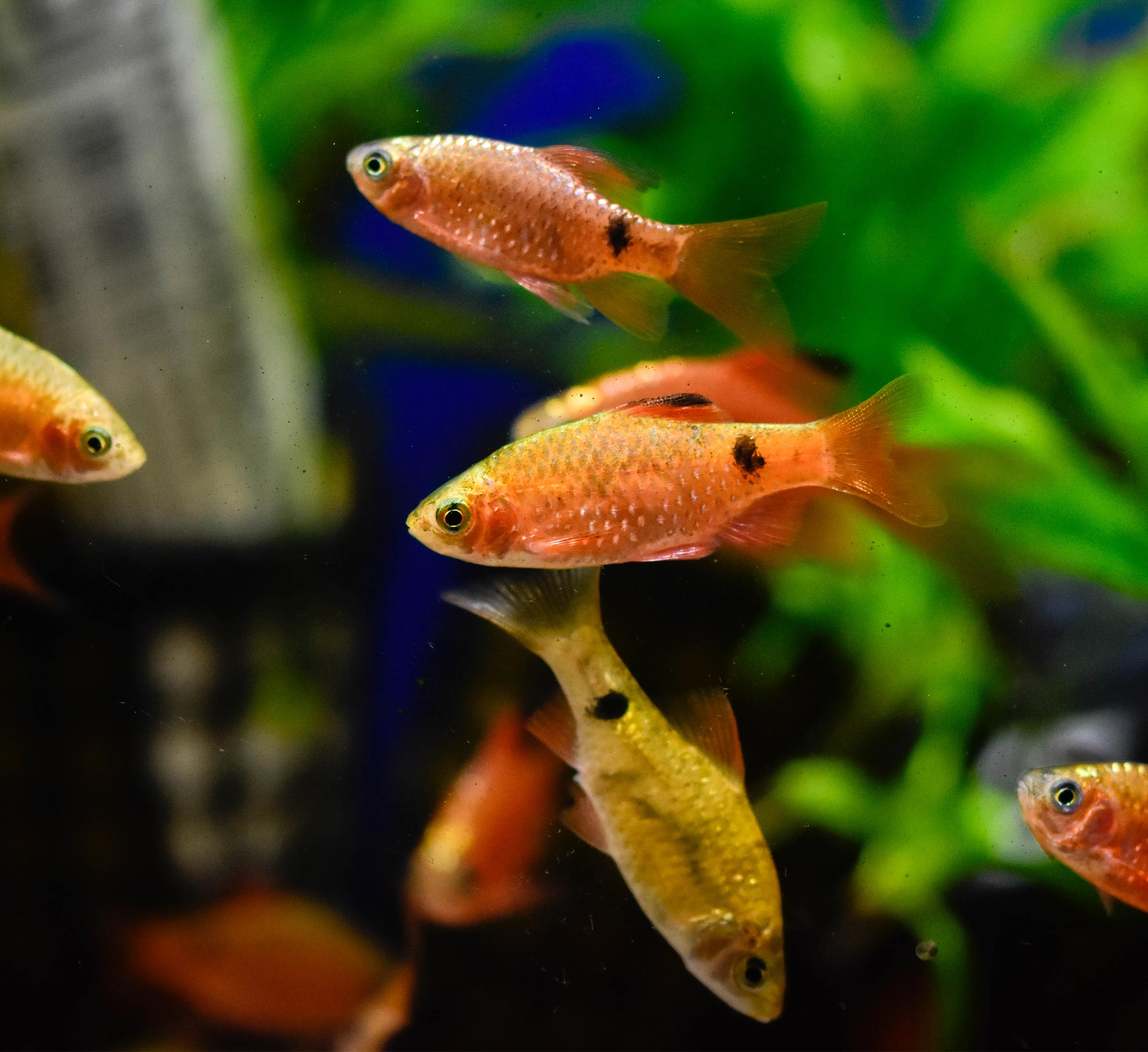
How to Add Fish to a New Freshwater Aquarium!
When choosing fish for your new freshwater aquarium you’re going to want to pick species that are peaceful, hearty, clean and attractive. Remember to Consider the size of your tank, when choosing your fish, so you don’t end up with fish too big for your setup.
For example: choosing swordtails, mollies, platies, and guppies, is a good idea as they are small, attractive, and peaceful.
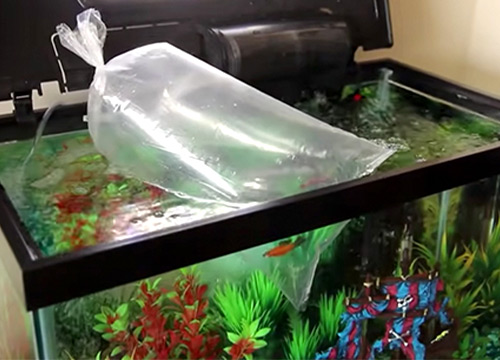
Acclimation
To ensure your new inhabitants don’t go into shock, they must be properly acclimated to their new environment. The most common practice to acclimate your fish is to take your fish in the bag and place them directly in the aquarium so it's floating on the surface. The reason for this is to let the temperature even out for the fish so they don’t go through a rapid temperature change, that could send them through shock.
A slow shift in temperature for adding your new fish into your aquarium is paramount for your the health of your fish. After 15 – 30 minutes you can then use your fine net and carefully scoop your fish out of the bag and place them into your aquarium. Be sure not to add any of the store water into your aquarium during the process. Once complete, sit back and enjoy your new tank mates.
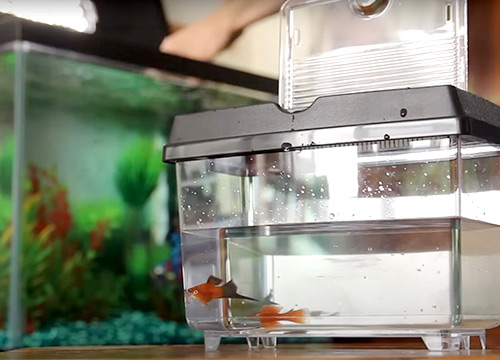
Our preferred method to acclimate
using a critter keeper or small container/bucket will not only acclimate your new fish to temperature changes but will also adjust them to their new water parameters from store water to their new home.
Here’s How:
Fill the critter keeper half full of water from the fish bag. Using your fine net scoop your new fish out of the bag and add them to your container. Gently add a small amount of cycled aquarium water to acclimate your fish to the temperature and parameters of your aquarium water. Over the course of 15 or so minutes, continue to add small amounts of aquarium water to your critter keeper and adjust your fish slowly to the new water.
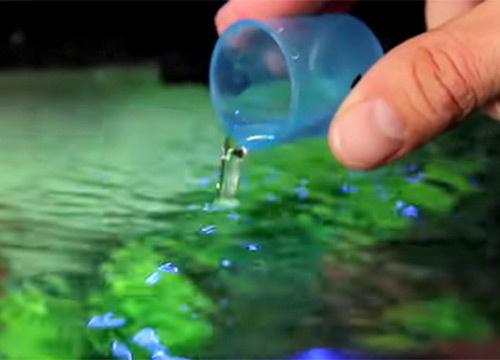
Water Conditioning
This is the perfect time to add a slime coat or water conditioner to the water. This coating helps your new pets by protecting their scales in the event they are jostled when they enter the aquarium. Additionally, adding more bio-support supplements will ensure the aquarium does not go through an ammonia spike with the bio-load of your new fish.
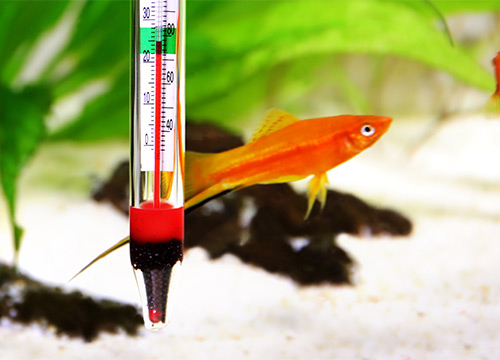
Double check temperature!
After 15 minutes, check the temperature in your critter keeper, and the temperature in your aquarium and ensure they are the same. Move on to the next step once the temperature is right!
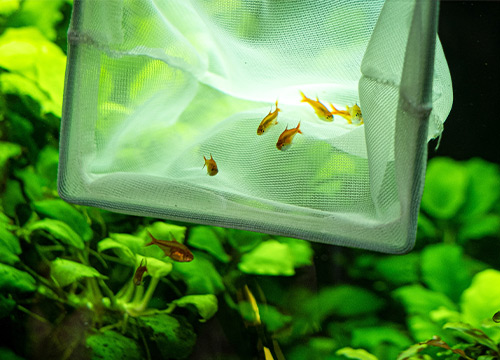
Transfer
Using a fine net, carefully transfer your fish from their small container to the aquarium.
Do not add too many fish at once. Adding too many fish can be detrimental to all your inhabitants.
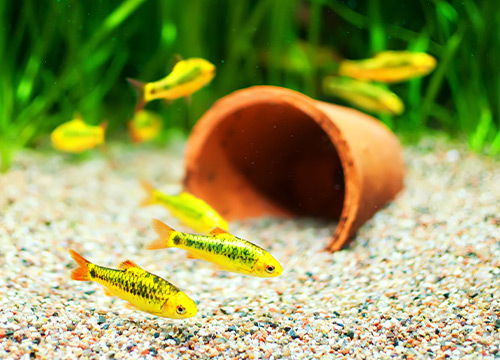
Enjoy!
Sit back and appreciate the joy your new tank brings you! Tag us in your aquarium photos on Instagram, and follow us for any questions or future fish needs.
THE GENERAL RULE OF THUMB
Your aquarium shouldn't look like a dozen clowns stuffed inside a tiny car. For fish to be happy, they need plenty of room to swim, hide and grow! Too many fish in a tank can lead to stress and create dangerous amounts of excess waste that the filtration system simply cannot get rid of in time.
With this in mind we need to understand the requirements that our fish need. Are they solitary fish? Are they aggressive? How big will they grow? Or do they need a school to feel safe and natural? Answering these questions will help you recognize what fish would best suit your type of aquarium.