
RIGHT PLACE FOR YOUR AQUARIUM
When choosing a suitable location to set up your new aquarium, you'll need to keep in mind three main concepts:

Depending on the size and shape of your aquarium, you can place small nano aquariums on a desktop to keep you company while at work, or for larger aquariums, they can be placed in a more central location as a stunning focal point.

Loud Noises and
High-Traffic Areas
An environment with a lot of loud noises and vibrations can stress fish. High-traffic areas create the risk of being bumped, scratched and broken.

Direct Sunlight and
Temperature Controllers
The more sunlight reaching the tank, the quicker algae will grow. Keep your tank away from anything that can raise or lower the water temperature.

Accessibility for
Maintenance
Place your tank in a location accessible for maintenance work such as: equipment repair, water changes, cleaning algae and more.
ESSENTIALS FOR YOUR FRESHWATER AQUARIUM
AQUARIUM STAND
Choosing the proper stand or cabinet is one of the most important decisions a fishkeeper can make. Much like finding the right placement for your aquarium, you should always think about the safety, functionality and aesthetics of your stand. Dedicated aquarium stands often have spacious interiors, which helps to maintain a cleaner space by housing various pieces of equipment such as pumps, filters, foods, hosing and more for your safety and convenience.
One gallon of water equals 8.34 lbs of water. Which is why choosing a stand with an appropriate weight and size rating is incredibly important and can save you from costly repairs in the future.
AQUARIUM FILTER
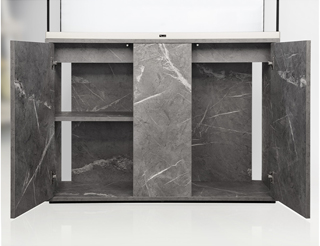
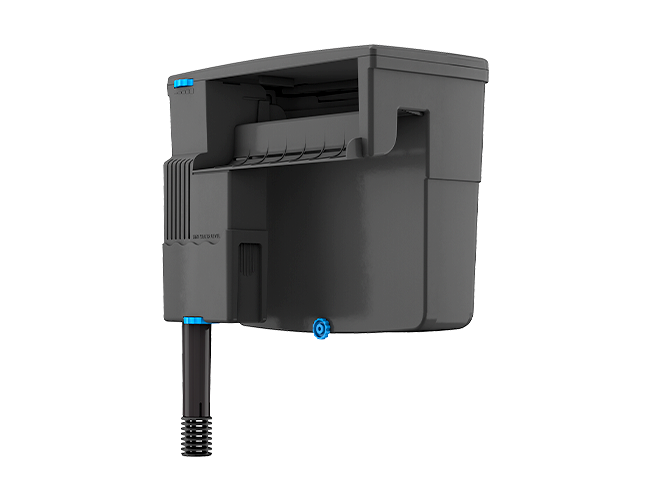
There are a handful of different filter options for your freshwater tank and regardless of your choice, every fish tank big and small NEEDS a filtration system of some type. Filters help to trap particulate matter such as leftover food and fish waste that can cause your water to be cloudy, smelly or discoloured. A good filter makes sure that your fish live in a healthy, clean environment, much like having a big air filter for your house!
YOUR GUIDE TO SELECTING THE RIGHT FILTER
| Size of Aquarium | Filter GPH (Gallons/Hour) |
|---|---|
| 5-20 gallons | 100 GPH |
| 10-30 gallons | 150 GPH |
| 20-50 gallons | 200 GPH |
| 40-70 gallons | 300 GPH |
| 60-110 gallons | 500 GPH |
AQUARIUM HEATER
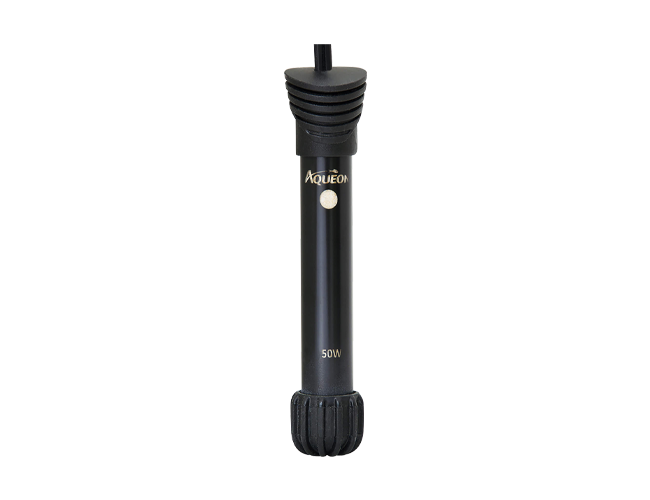
All fish need some sort of temperature control within the aquarium and all fishkeepers need a thermometer to gauge that control. Some fish prefer warmer waters, while others, like goldfish, prefer colder water. This is why having a reliable, functional heater is so important for a fishkeeper. Most heaters can be set to a certain temperature and will accurately maintain that internal temperature regardless of day, time or season. Fluctuations in temperature (too high or too low) can be dangerous for fish, so it's important to understand the preferred temperature for your fish, and how big of a heater you'll need for your tank.
YOUR GUIDE TO SELECTING THE RIGHT HEATER
| Size of Aquarium | Wattage of Heater |
|---|---|
| 2-7 gallons | 25 watts |
| 4-13 gallons | 50 watts |
| 9-20 gallons | 75 watts |
| 15-27 gallons | 100 watts |
| 23-40 gallons | 150 watts |
| 35-50+ gallons | 200 watts and more |
UNDERSTANDING THE NITROGEN CYCLE
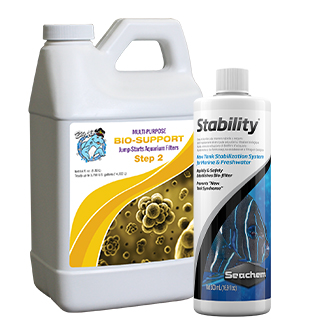
The word cycle is used a lot in the aquarium hobby, especially when setting up a new tank. Understanding this concept is the key to a happy, healthy aquarium. Cycling your tank refers to establishing a colony of bacteria that will break down your fish’s waste to create a safe environment. This bacteria grows on all surfaces in your aquarium, especially in your filter and it can take up to 4 weeks to develop; but can be accelerated by using liquid bacteria products, such as Big Al’s Step 2 or Seachem Stabilty.
THREE STEP PROCESS:
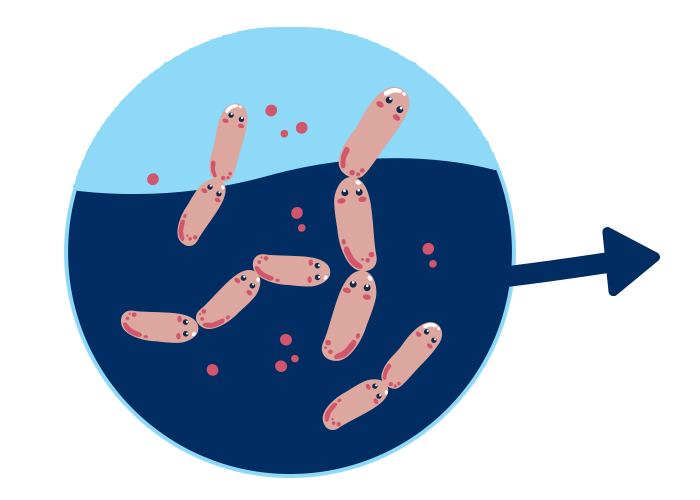
Waste in your aquarium begins as ammonia.
(TOXIC FOR FISH)
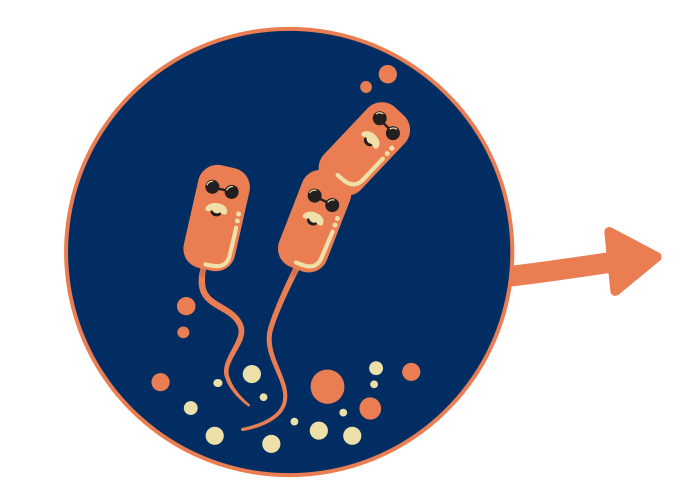
Ammonia gets consumed by beneficial bacteria & turned into NITRITE
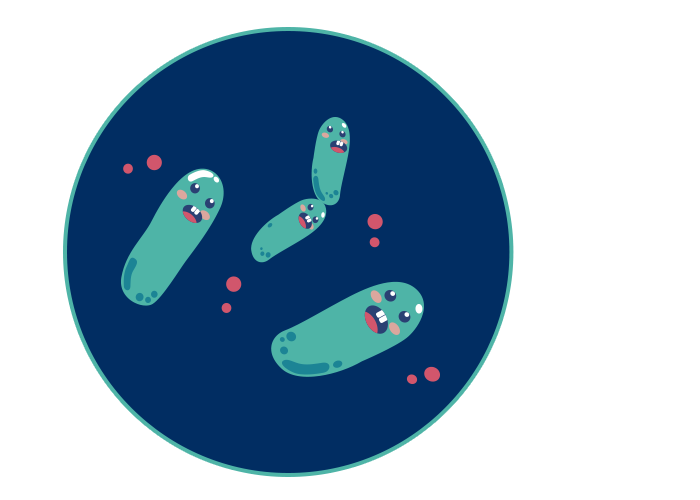
The beneficial bacteria now consumes Nitrite & turns it into NITRATE
After the bacteria has done it’s job by breaking down harmful ammonia into less harmful nitrate, it is now our turn to do some work and perform a water change! Doing a 25% water change once a week will remove the nitrate and make sure your aquarium stays clean.
READY TO SETUP YOUR FRESHWATER AQUARIUM
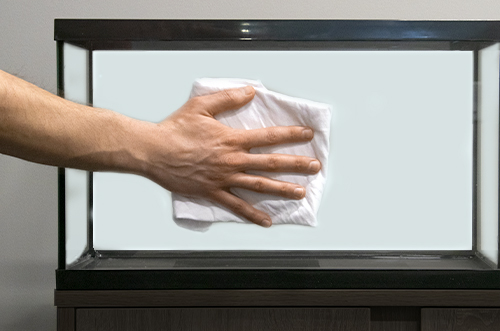
1. RINSE AQUARIUM AND ACCESSORIES
It is important to rinse the aquarium with water before you start setting up, making sure there is no dust or debris. You should also rinse your equipment, substrate, decorations and any other accessories you want to put in. They may contain pests and may risk your fish’s health.
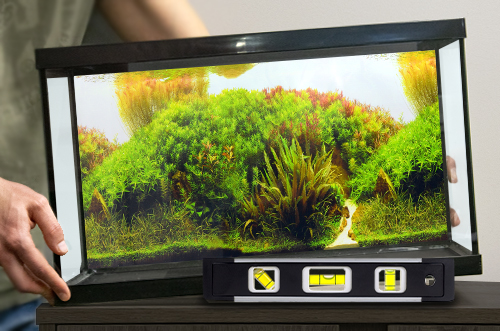
2. PLACE AQUARIUM ONTO YOUR STAND
Make sure your stand is levelled side to side and front to back. Being out of level puts extra stress on the joints that hold the aquarium together and can cause a seam to burst over time. Once levelled, Now would be a great time to add in your background if you plan on using one. Place your aquarium carefully onto your stand.
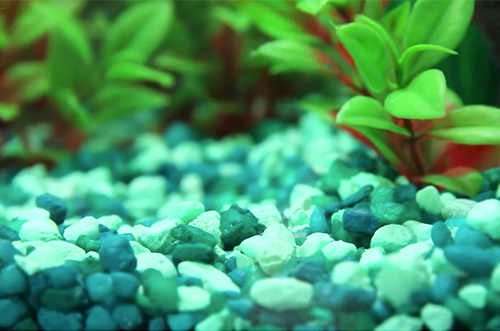
3. ADD IN YOUR SUBSTRATE AND DECORATIONS
To ensure your tank has enough substrate, follow the rule of 1 pound of substrate per 1 gallon of water. When choosing your substrate keep in mind the type of fish you are housing. Rinse your decorations before placing them into the tank. Press down from the base and wedge your ornament into the substrate to set them in place.
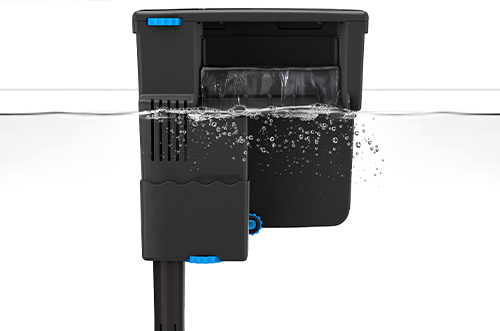
4. INSTALL EQUIPMENT
Take advantage of your empty tank, now is the perfect time to plan where to put your heater and filter. If you are using a canister filter, place the intake on one side of the tank, and the output on the other, this will ensure good circulation. Most hoods will have breakout panels that you can cut or pop out for filter and heater placement, Remember that your heater should be placed in an area with good water flow, so near your filter output is ideal.
5. FILL UP YOUR AQUARIUM WITH WATER
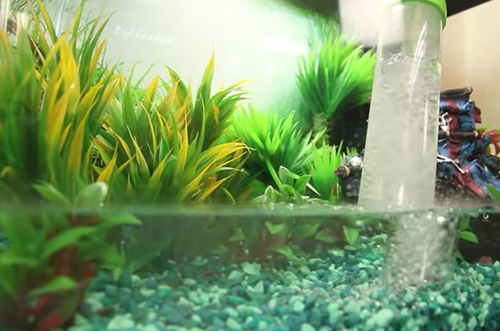
Using a bucket, or a Python No Spill Water Change System, begin to fill your aquarium with room temperature water. This way your heater doesn't have to work so hard to set your tank to the right temperature. Pour slowly to avoid shifting around gravel and decorations.
6. DOSING YOUR AQUARIUM
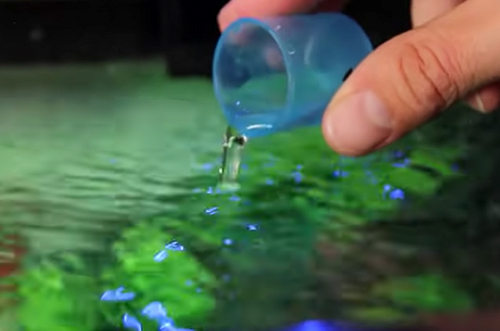
When dosing your aquarium be sure to follow the directions on the bottle. Start with your water conditioner, this will help remove chlorine, chloramine and neutralize heavy metals and other substances in your tap water. 5 to 10 minutes later add in your bacteria supplement to help boost the biological filtration. This will help ease the fish into their new home, so you don't end up with bad ammonia spikes.
7. PRIME YOUR FILTER AND PLUG IN HEATER
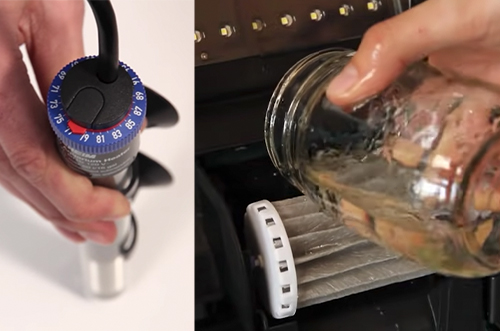
Once your heater has had at least 30 minutes to acclimate to the temperature of your aquarium water, you can now plug it in and set it to your desired temperature. For tropical fish, ensure your heater is set to around 78 degrees fahrenheit. Use a thermometer to be sure. If you are using a Hang On Back power filter, Make sure to prime it by filling it up with aquarium water before plugging it in.
8. PLACE ON AQUARIUM LID AND LIGHT FIXTURE
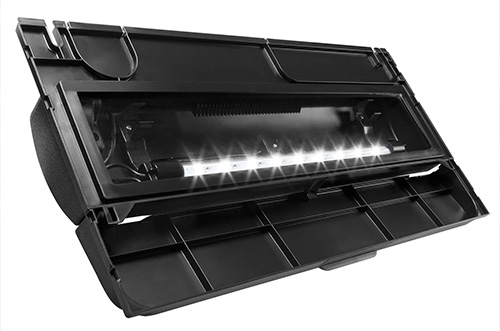
Now it’s time to place the lid on your aquarium, if you are using a glass top, be sure to trim the back plastic strip to allow space for your filter, heater and any cords. If you are using a hard plastic hood, gently pop out the appropriate sized holes using the pre-scored guides and clip the lid in place.
9. 24 TO 48 HOURS THAN ADD IN FISH
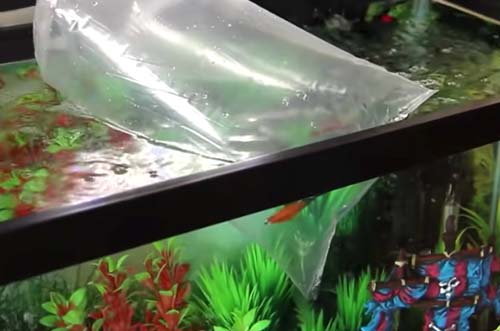
You can begin to add your fish after 24-48 hours. Your aquarium is new, so take your time, do not add too many fish all at once. Once you have brought home your fish, float the bag on the surface of the water for 20 to 30 minutes, this lets the fish adjust to your water temperature and can then be added to the tank. Use a net to release your new fish into your aquarium, DO NOT add in the store water from the bag into your aquarium. keep the light off for the rest of the day to allow the fish to ease into their new habitat.
CHOOSING THE RIGHT FISH FOR YOUR AQUARIUM

Your aquarium shouldn't look like a dozen clowns stuffed inside a tiny car. For fish to be happy, they need plenty of room to swim, hide and grow! Too many fish in a tank can lead to stress and create dangerous amounts of excess waste that the filtration system simply cannot get rid of in time.
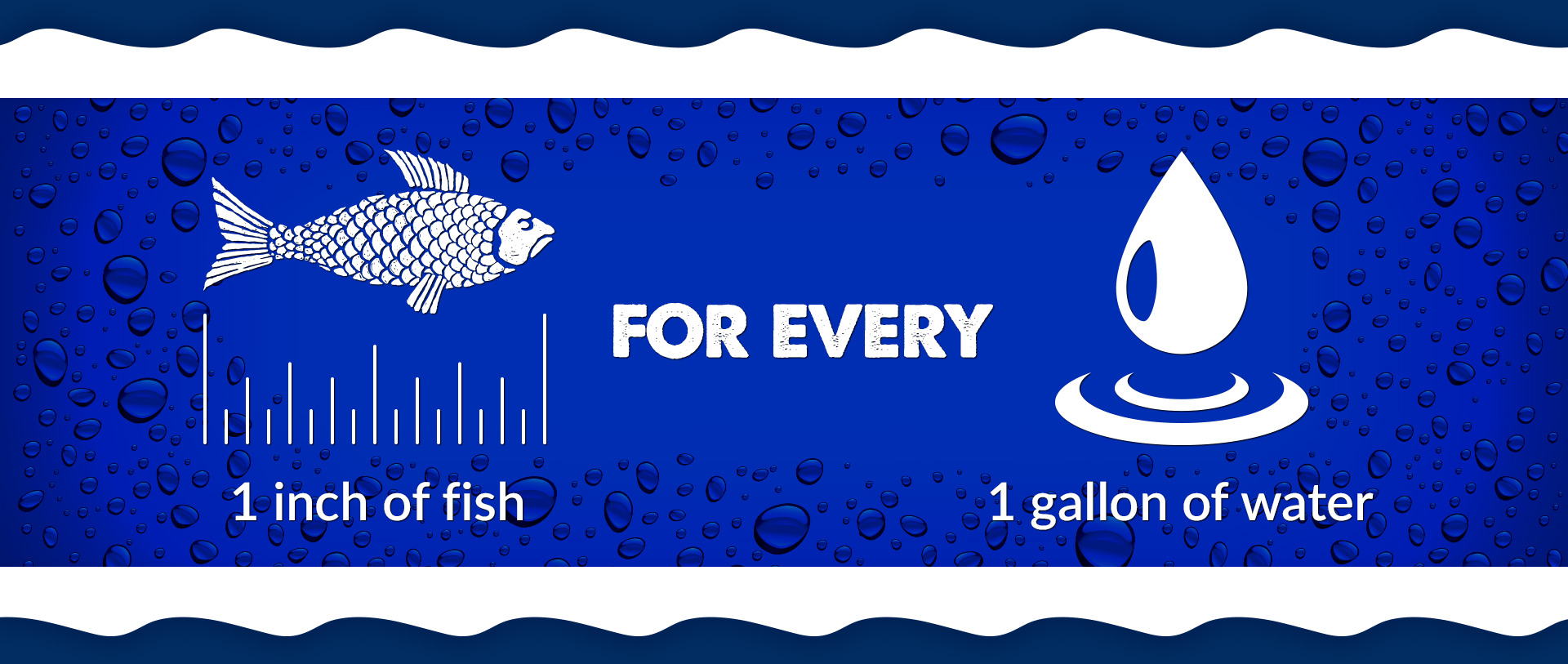
With this in mind we need to understand the requirements that our fish need. Are they solitary fish? Are they aggressive? How big will they grow? Or do they need a school to feel safe and natural? Answering these questions will help you recognize what fish would best suit your type of aquarium.

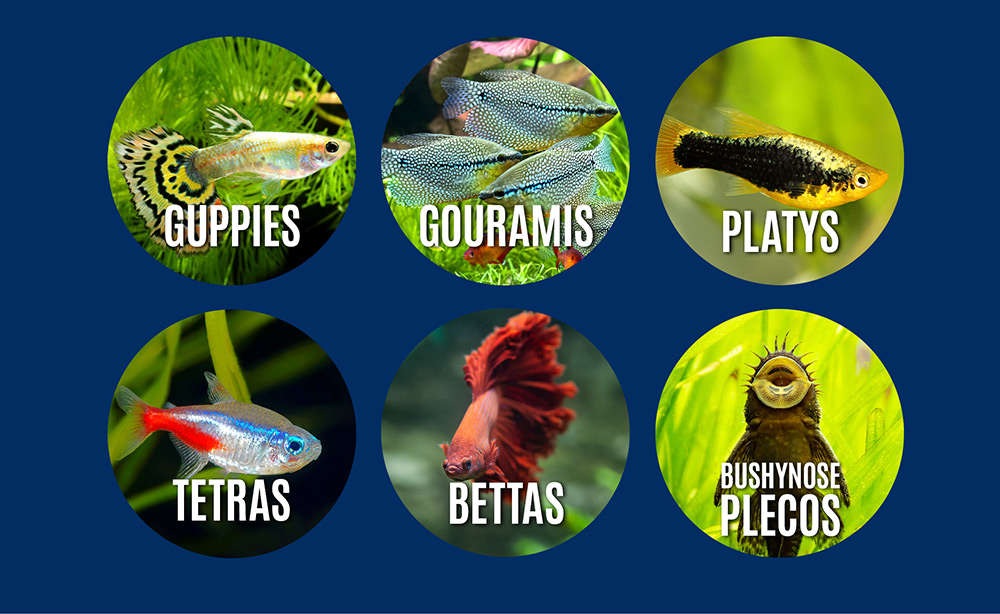
The below fish are generally colourful, peaceful, easy to care for and hardy,
making them and ideal fish for a beginner hobbyist!
UTLIZE A DRIP LOOP
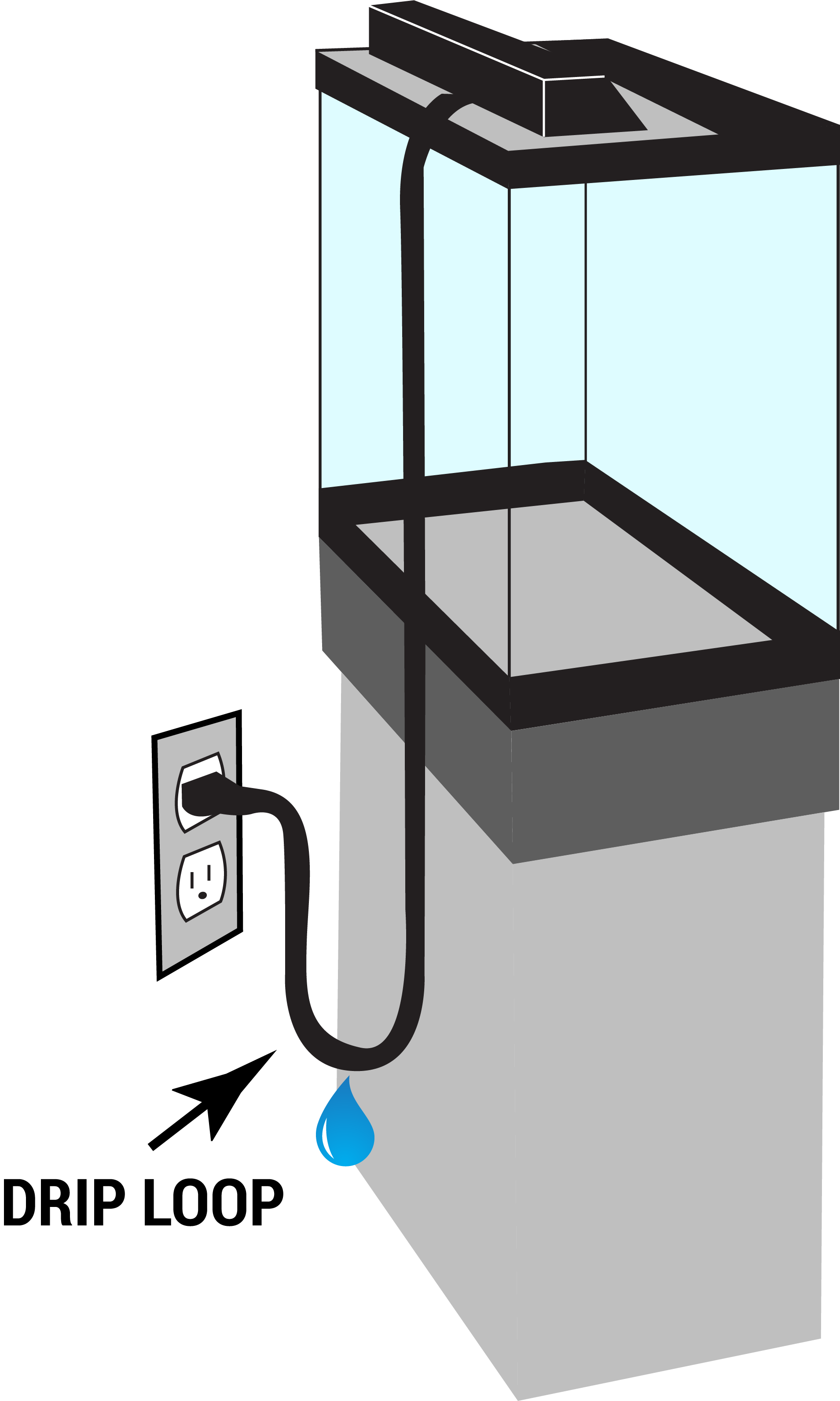
Whenever you plug in any electrical appliance, it is very important to use a “drip loop”. This prevents water droplets from reaching the electrical outlet, which can be very hazardous. *Simply drop the power cord below the level of the outlet you're using. This way, if any water should get on the cord, it will drip off before it reaches the electric outlet.
DO'S AND DON'TS
- Let your tank properly cycle before purchasing your first fish
- Test the aquarium water for pH, ammonia and nitrite before adding new fish
- Always acclimate new fish before introducing them to your aquarium
- Do your research about the right food, habitat and info about your fish
- Once a week, perform at least a 25% water change for clean, healthy water
- Treat tap water with a water conditioner to neutralize harmful chemicals
- Filter media should be changed at least once a month. Check them weekly & rinse as needed
- Pay attention to your pets health and inspect them on a regular basis
- Your fish should be fed a variety of pellet, flake and frozen food for proper nutrition
DO'S
- Don't place your tank near a bright window or near vents and drafts
- Don't place your aquarium around high-traffic or noisy areas
- Don't buy fish the same day you get your aquarium. Let your tank cycle first!
- Don't purchase pets without understanding their requirements (food, habitat etc.)
- Don't pour the store water into your aquarium when adding new fish
- Don't add too many fish at once. Start small and work your way up
- Don't overstock your aquarium. Give your fish plenty of space to swim
- Don't feed more than your fish can eat in about 2 minutes
- Don't use soap or other chemicals with your cleaning equipment
- Don't ignore maintenance, water changes are vital for success
DON'TS