
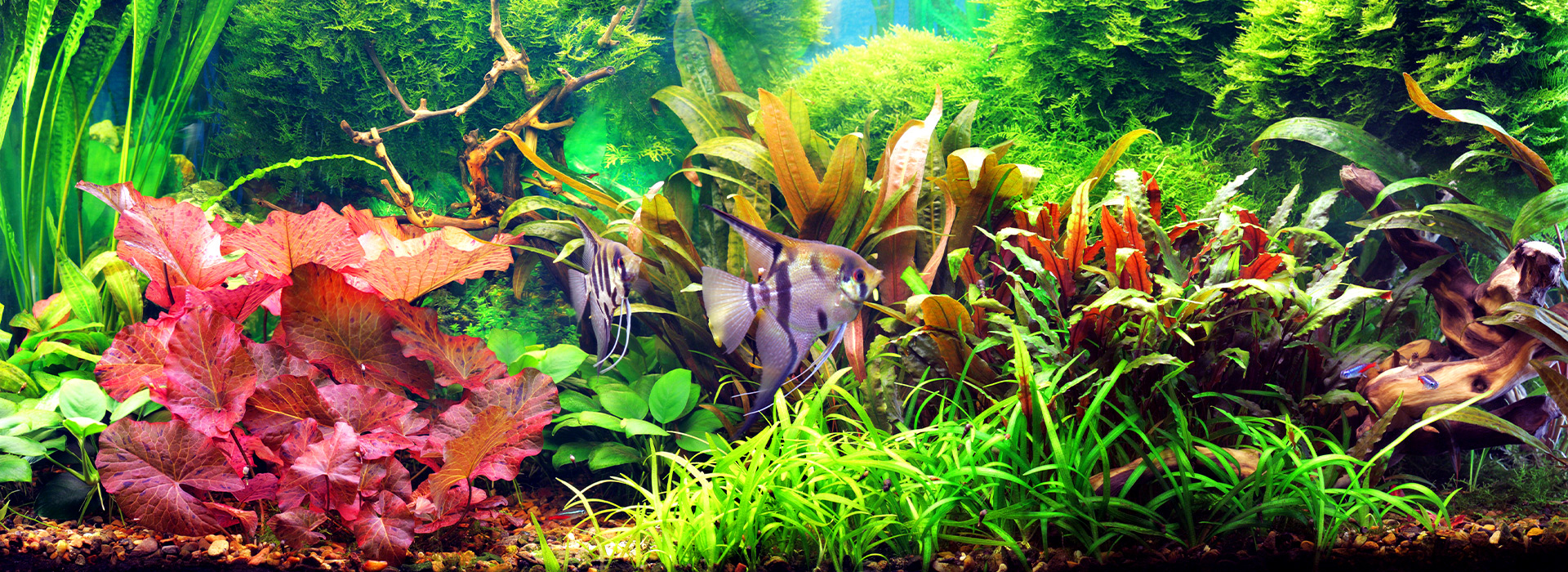
The Great Aquascape
An excellent way to promote the health of your fishy family members is to grow aquatic plants! Plants are able to do incredible things. They remove harmful pollutants in the water and perform a crucial piece of the nitrogen cycle, they release oxygen and take up carbon dioxide. These actions keep your fish from being poisoned as well as keeping their habitat well-oxygenated. Plants also utilize nutrients from fish waste, organic matter, and uneaten food, which helps you keep your tank clean. Additionally, plants provide shelter for fry, shy fish, and provides a hiding place from other inhabitants, produce beautiful views, help hide unsightly equipment, and help to reduce stress overall in your underwater world.
Check out a few of our picks!
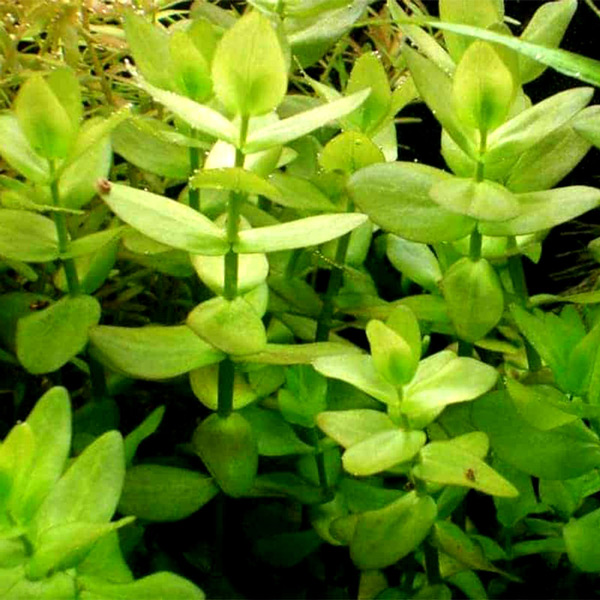
Bacopa Caroliniana
Bacopa Caroliniana is a vibrant, hearty freshwater plant. Commonly known as the Lemon Bacopa, the leaves smell like lemon when they are crushed. It can grow on land, but is commonly found in wetlands, marshes, lakes, and ponds in water under three feet, in many places in the US. This plant is great for beginners as it can really grow anywhere and doesn’t require any additional CO2. Depending on the season, you will receive an emersed or a submerged form. If you receive an emersed plant, you can plant it in your aquarium and submerged-grown leaves will generate within a few days.
Care Level: Beginner
Care: It requires moderate light, a nutrient rich environment and clean water. It can be propagated through cuttings and these cuttings will take root within a few days.
Did you know?
Scientists discovered adding small particles of gold to the leaves of the plant caused it to glow gold. In the future, this practice could be used to replace streetlamps with glowing plants instead to reduce power usage, light pollution and to absorb CO2.
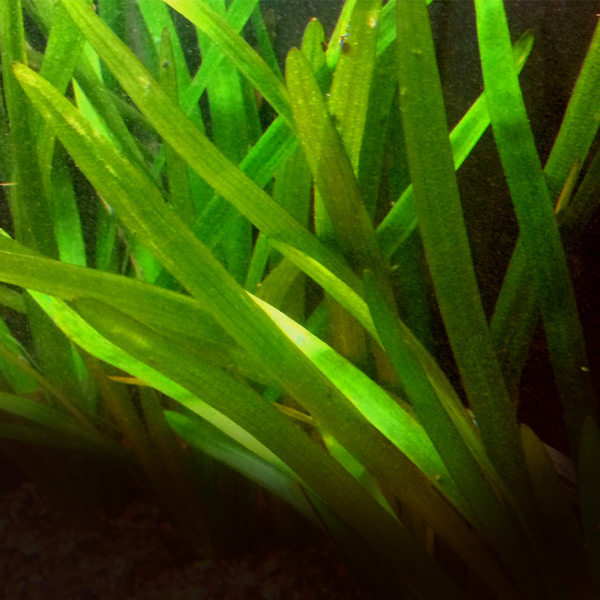
Sagittaria Platyphylla
Commonly known as the delta arrowhead, this vibrant green freshwater plant species native to eastern US that grows in natural wetlands, is a great beginner plant. It is hearty, has long thick leaves, and is easy to handle. It grows up to 1.5 meters tall, and has foliage that stays submerged, as well as broad leaves that emerge from the water where they are cultivated. These plants will provide excellent refuge for your fry, and your more fearful fish.
Care Level: Beginner
Care: The Sagittaria Platyphylla needs to be provided with a moderate amount of light, a nutrient rich substrate, and can handle a wide variety of pH levels. A supplement with trace elements and nutrients will allow this plant to flourish. If it starts to yellow, or look weak, provide your plant with some fertilizer. This plant will preform best planted in the center of your tank. The Sagittaria Platyphylla will produce runners, and in turn, more rooted plants. If leaves are decaying, trim and remove decayed material to keep it from spreading down the plant.
Did you know?
Sagittaria Platyphylla is also called the “Delta-Duck Potato Plant” because it offers both food and cover for animal life.
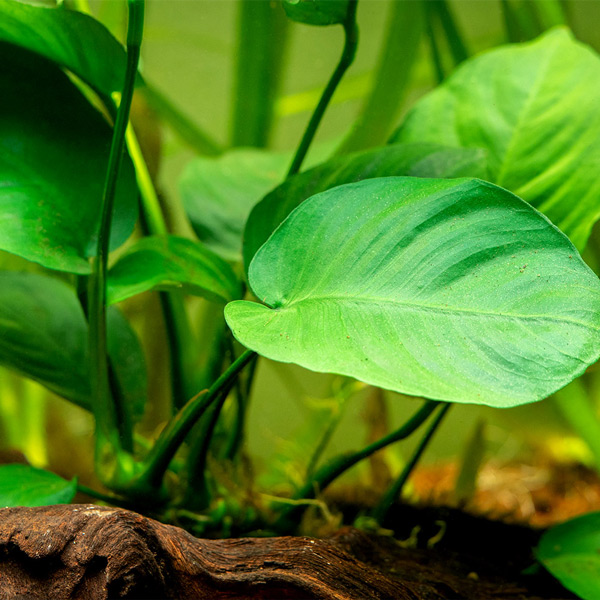
Anubias Barteri
More commonly referred to as Coin Leaf or Round Leaf, this robust freshwater plant can grow submerged or emersed. Emersed, it can grow to 10 cm long with 5cm long blades, it stays smaller and more compact if it is submerged. This plant will do well planted in the mid or foreground, and is an excellent enrichment plant for cichlids, but strong enough to withstand their foraging and nesting behaviours. It has a bright green/yellow colouring that makes it vibrant and gives a variety of tones and textures to your tank.
Care Level: Beginner
Care: These plants are easy to take care of. They do not require much light, are able to grow in many different water parameters and can be attached to hardscaped aquarium decorations with thread or glue, and they will grow roots. Anubias Barteri have what is called a Rhizome, a modified plant stem that sends out roots and shoots from its nodes. The rhizome needs to be above the substrate, or it will rot. Plant roots only. To propagate, remove the plant from water, and cut the rhizome into two or more pieces. Leave 3-4 healthy leaves on each section, and replant.
Did you know?
Anubias species have such thick, rich leaves the leaves can look fake, and are often called “plastic plant”.
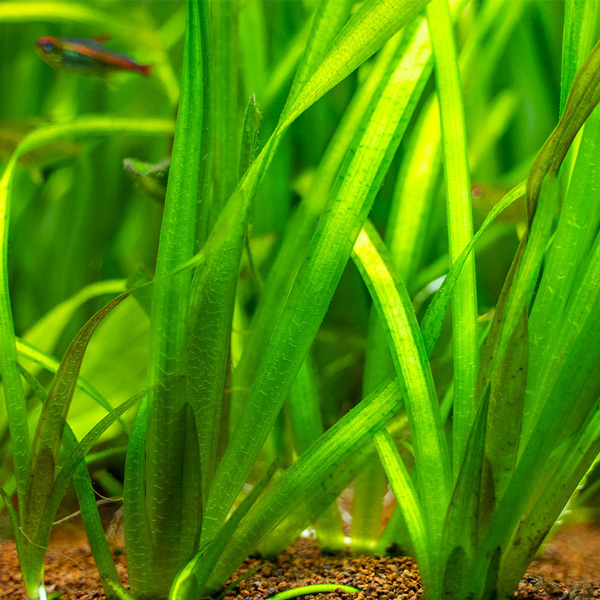
Vallisneria
A classic freshwater aquarium plant, the Vallisneria has several different species. These different species have a variety of leaf sizes, twists, long shoots, and the tips of the leaves feature tiny spikes, where some other aquatic plants are smooth. This type of plant is another hearty and easy to grow aquatic greenery. Vallisneria is great specifically for African cichlids, as it grows fast enough to keep up with the appetite of a cichlid. Common types of Vallisneria include Corkscrew, Red Tiger, and Leopard Vallisneria.
Care Level: Beginner
Care: The Vallisneria requires fertilizer and moderate light but will turn your tank into a luscious life of luxury for your fish in no time. Vallisneria are known to grow in hard alkaline water, but do not do well in soft or acidic water. A pH of 6.5-8.5 is ideal, and anything between 59-86 °F is best for temperature. Plant your Vallisneria in the back corner of your tank and watch as it transforms your tank into a tranquil green paradise. If it is spreading to a location you don't want to, you can simply pull it out of the substrate and replant it.
Did you know?
Some species of Vallisneria can grow to 6 feet in length if the environment allows for it.
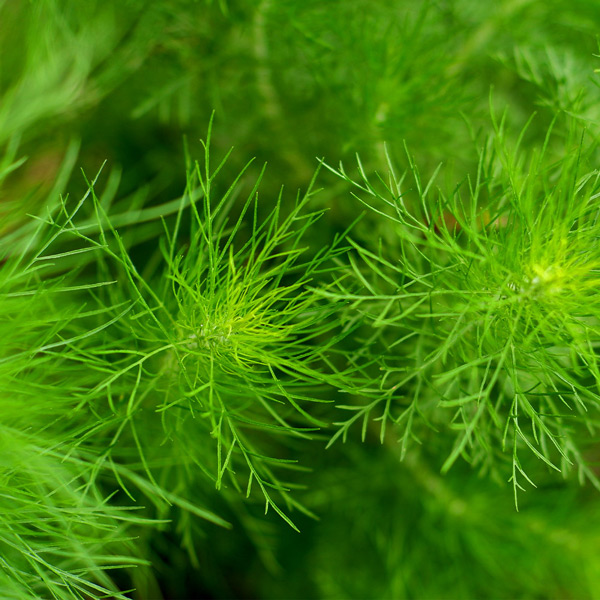
Rotala Nanjenshan
The Rotala Nanjenshan is bright green in colour, with fine leaves and occasionally has red colouring on its tips. These plants are delicate, so handle with love! Rotala Nanjenshan are dense plants and look best in the mid or background of your aquarium. The pH of the water should be between 6 - 8, and temperatures should range between 76 to 82 degrees F. There are two options for this plant, submersed, and emersed. Submersed Rotala Nanjenshan grow in whorls, and only grow to approximately 2 cm long. The emersed plant grows outwards and upwards, can grow to 1 cm long, has a short stalk, and less leaves per node than their submersed counterparts.
Care Level: Medium
Care: Rotala Nanjenshan requires fertilizers that contain iron, potassium, and trace elements. It also requires lots of light, prefers soft and acidic water, and will benefit immensely from the addition of CO2. Simply push the stem of the plant into substrate, and roots and shoots will grow. Rotala Nanjenshan can be propagated by cutting stems off the parent plant and pushing them into the substrate to grow their own roots.
Did you know?
Rotala Nanjenshan originates from Taiwan, where it is only found in 1 location, Nanjenshan.
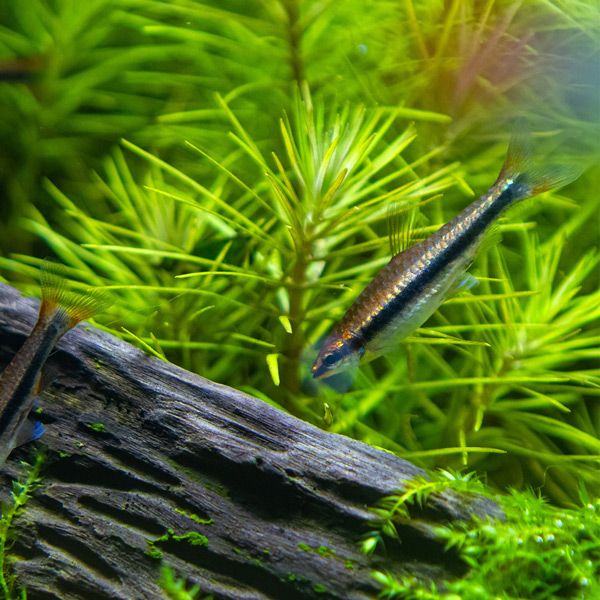
Pogostemon Erectus
Pogostemon Erectus is a bright green freshwater plant, originating from India, that grows in compact groups of stems similar in appearance to conifer. They can grow to 40 cm tall, and 3 cm wide. Pogostemon Erectus is an excellent background bush style plant for any aquascape. These plants need a moderate amount of light, but intense light will enable it to stay more compact for longer. A temperature of 72-82 degrees F, and water pH level of 6-7.5 is preferred.
Care Level: Medium
Care: Plants can be propagated by cutting anywhere along the stem and replanting the trimmings. Two new shoots will grow from where the stem was cut. This type of plant prefers higher CO2, will require frequent pruning and fertilizer. Pogostemon Erectus prefers to get its nutrients from the roots via substrate, than from the surrounding water. Moderate to strong lighting, CO2 supplementation, and proper root nutrition is the key for a thriving plant.
Did you know?
Lighting conditions are able to change the colour of plants. For example, the tips of Pogostemon Erectus will yellow with high lighting.
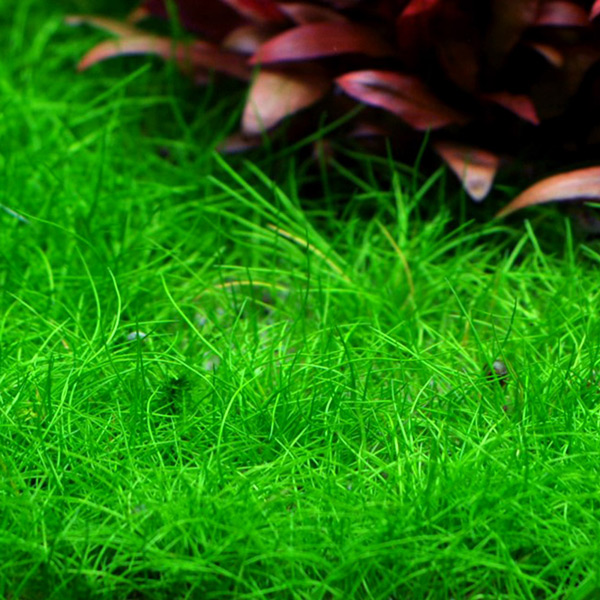
Eleocharis Acicularis Mini
Commonly known as Potted Dwarf Hairgrass, this is a grass-like plant with fine blades. These plants originate from Australia/New Zealand and are typically used as a carpeting plant in the forefront of an aquarium. The growth of Mini Hairgrass depends on the light level of the tank. Under more direct and intense light, it will grow thicker, shorter, and more compact. With moderate levels of light, blades will grow longer and thinner. It will grow to 5-10 cm tall with an intricate root system. These plants prefer a pH of 6-7.5 and a temperature of 72-82 degrees F. This plant is great for a tank with Corydoras catfish, as this type of fish will disturb and remove the debris around the plant as they look for food and will help keep it clean.
Care Level: Medium
Care: Mini Hairgrass grows relatively quickly and will require regular trimming and pruning to keep it in its best shape. It requires moderate to high levels of light and will thrive best with CO2 supplementation and some moderate fertilization. Plant directly into substrate and can be propagated by the plant’s runners, or new plantlets.
Did you know?
Carpeting plants like Mini Hairgrass provide shelter for small inhabitants from larger tank mates and provides a source of food for fry and shrimp.
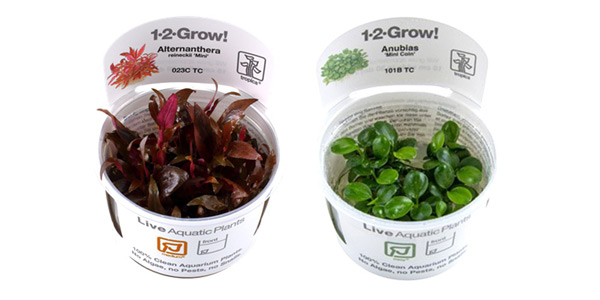
Tropica
Adding live plants to your aquarium can be intimidating. Tropica makes cultivating your aquascape easy with their 1-2 Grow line of live plants. These lab grown plants can be separated into several sections, and planted into the substrate in many spots to increase cover. Start reaping the benefits of a planted aquarium and breathe new life into your tank in 1, 2, grow!
Check out our step-by-step video guide on getting started with your very own planted aquarium setup