What to Expect When Expecting!
Identify that you have a pregnant fish first! A pregnant fish may start to “nest” by creating a safe area within the substrate, or within bubbles at the water’s surface. She will also slow down, be much less mobile and seem sluggish or shy. Before birth she will slow or possibly stop eating all together. This behaviour can indicate a fish is carrying young. A tell-tale sign is a bulge that appears at the rear of the abdomen signifying the presence of young. Some species of fish give birth to live young, and some lay eggs. Most commonly kept fish are livebearer fish (guppies, mollies, platies etc.
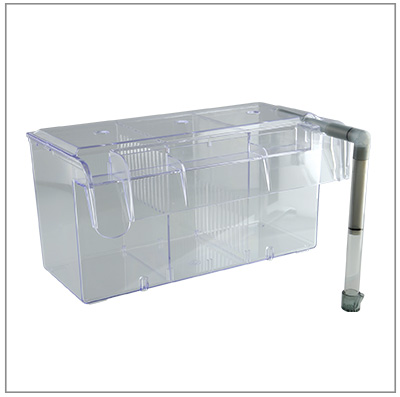
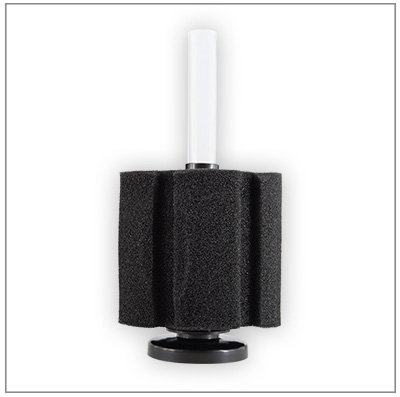
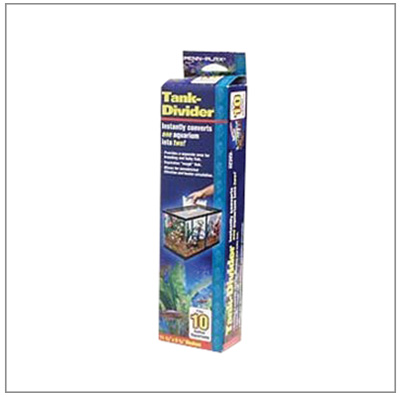
At some point, if you are fish keeper, you may wake up to a pregnant fish, or, even more surprising, fish fry. What happens now? Try to find out how soon your fish will give birth. Gestation is 20-40 days. Before the fish are born, your pregnant fish should be moved to a tank without a filter, or at the very least, a sponge filter so they are not sucked up into a harsh, damaging filter after birth. Some fish will be predators to their babies and will need to be separated almost immediately using a separate tank, a breeding box, or a tank divider. Additionally, separating a clutch will allow the fry to grow bigger, faster as they are not in competition for food with adult species.
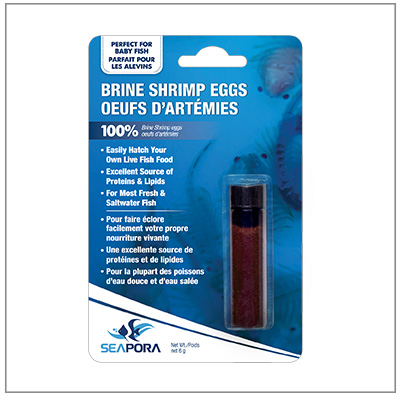
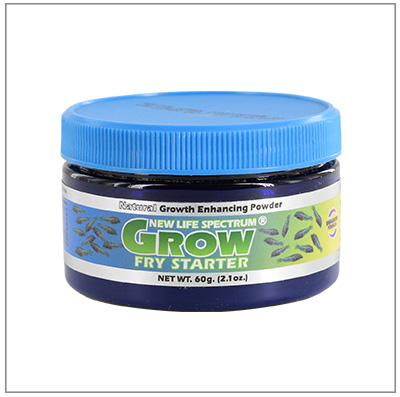
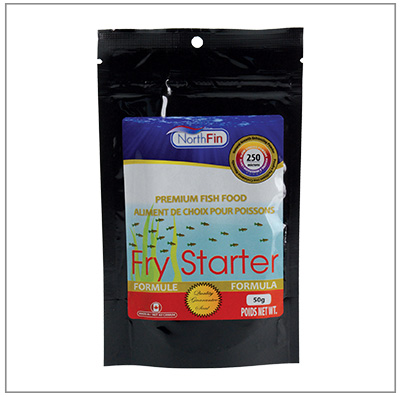
Fish mothers do not provide food for their young and if the fry is born without a yolk sac to feed from, liquid or powdered high quality fry food will be required to feed your fry. Small amounts of food, several times a day will be required to keep your fish fry spry! Their stomachs are as small as they look and cannot hold a large meal and must eat throughout the day. An automatic fish feeder is a great option in this situation, set it and forget it. Brine shrimp are a nutritious, and stimulating option, as their protein content makes them nutritious, and they help train natural hunting instincts, because they are live food.
Another important part of keeping your fry healthy, is ensuring you are maintaining good water quality with regular changes and quality checks. Fluctuating water parameters can be detrimental to the health of your fry and juveniles, so test regularly and keep parameters as stable as possible. Provide good cover, and hiding spots for your expecting fish, and your fry. Plants keep water oxygenated, clean, and provide much needed shelter for a pregnant fish and for juveniles.
Generally, after the first few weeks, fry can be weaned off their original diets and be transitioned to a dry, prepared diet. Once juveniles have grown to an appropriate size, they can be integrated into your community tank or be moved to their final habitat. More specific care information will be determined by the type of fish you keep.
Related Products: